Rutuparna Rout • January 29, 2026
Strategies, benefits, and best practices of blockchain in procurement

Mehak ChawlaContent Writer
Last update: December 8, 2025
9 min read
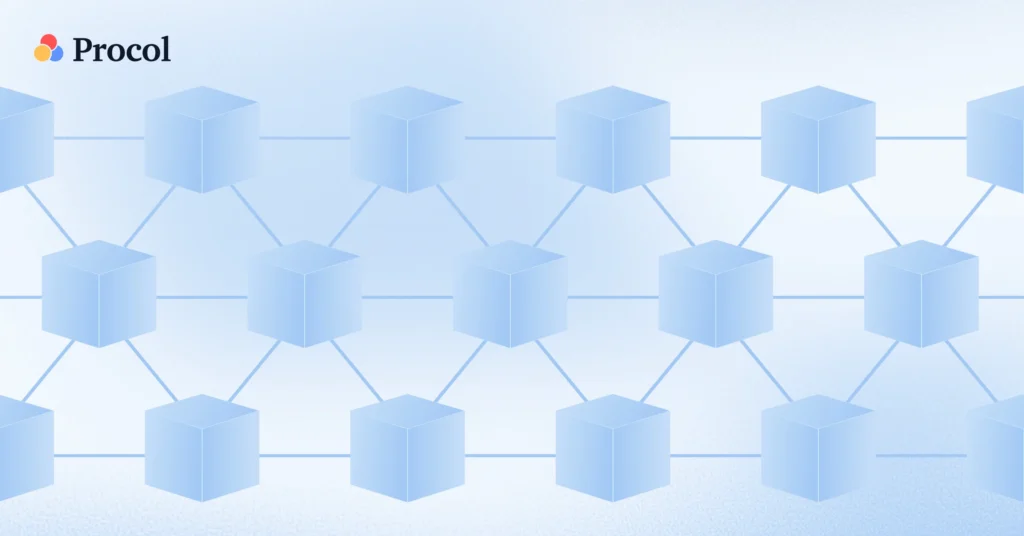
Blockchain in procurement entails a decentralized and immutable digital ledger that can improve accuracy, transparency, security, and efficiency throughout the procure-to-pay process from supplier qualification and tendering through to payment. Blockchain in procurement is a shared, secure, digital ledger that records and verifies every transaction, from order through to payment, increasing the transparency of the process and the trust in the data. Here, we’ll outline what we see as the benefits of blockchain technology for procurement, the challenges of blockchain, the blockchain procurement process, and how Procol is solving some of those challenges.
What is blockchain in procurement?
Blockchain in procurement is a shared, secure digital ledger that tracks and verifies every part of the transaction cycle, from ordering raw materials to payment for the goods. The “chain of blocks” on the blockchain is tamper-proof and creates a single trusted record in real time, and is accessible to all authorized parties.

What is the role of blockchain in procurement?
Blockchain technology is transforming traditional procurement practices by enhancing trust, efficiency, and transparency for all stakeholders. As a result of its immutable and decentralized nature, blockchain provides greater transparency and reduces the risks of fraud, which ultimately leads to decreased costs and streamlined supply chain processes.
Blockchain enhances procurement by creating a secure, shared, and transparent digital ledger for transactions, which increases efficiency, reduces fraud, and builds trust among stakeholders.
Blockchain in procurement and supply chain = greater transparency, automation, and trust.
It doesn’t replace procurement systems; instead, it enhances them by adding an immutable, verifiable, and automated layer to processes that traditionally rely on manual checks and trust-based relationships. Overall, blockchain for procurement reduces paperwork, lowers transaction costs, and streamlines audits and reporting.
Top 8 benefits of blockchain technology in procurement
Blockchain technology in procurement is revolutionizing procurement systems by developing processes that are transparent, secure, and efficient in linking suppliers, buyers, and others involved through one ledger that cannot be changed. These systems minimize manual intervention, reduce fraud, and build trust by recording every transaction permanently and regulating it in real time.
1. Greater transparency
Blockchain provides every participant in procurement with the same verified transaction record. This common visibility eliminates hidden costs, unauthorized changes, and disputes between the suppliers and the recipients. With all actions recorded on a platform that cannot be changed, accountability becomes apparent, and trust is developed between all parties.
2. Greater traceability
Blockchain for procurement fully traces products from raw materials to finished products and identifies each point in the supply chain. Visibility provides the legitimacy of the items being sourced and proves quality compliance. Traceability enhances organizational processes by identifying inefficiencies and counterfeiting, and the ability to react faster to recalls or supply disruptions.
3. Greater data security and integrity
Procurement often relies on very sensitive data such as supplier contracts, payment numbers, and compliance paperwork. Blockchain can and will rely on cryptographic encryption and decentralized storage, making it almost impossible to change or hack the records. Resulting in the data being shared across the network is secure and authentic.
4. Automation using smart contracts
Once certain requirements, such as delivery receipt or quality assurance inspection, are met, smart contracts on the blockchain for procurement can automatically trigger procurement commitments. This means less work or decision-making needs to occur by people, lowering the chance for human error while accelerating contract activation. It also improves time and cost by moving approvals and payments along a more streamlined avenue, compared to the manual processes of the past.
5. Cost and time savings
Procurement managers can effectively reduce their overall procurement costs dramatically by removing the middleman, or paperwork, and ultimately, reconciling invoices or other critical matters. Eliminating tasks that can be automated, such as payment processing, should speed the transaction process, ultimately leading to overall productivity. While procurement managers can’t affect the speed at which a transaction completes, the execution should be error-free to smooth the speed of execution, leading to even faster cycles for procurement and enhancing the working relationship management with suppliers.
6. Fraud deterrent and risk mitigation
Blockchain is an immutable environment, making it extremely challenging to manipulate records of transactions, create false or inaccurate documents, or create a counterfeit invoice. Every transaction is timestamped and has a permanent record. This transparency conveys an audit trail. Ultimately, this significantly mitigates the risk of procurement fraud, corruption, or other unethical practices.
7. Supplier vetting and compliance management
Blockchain can house all pertinent supplier information, including supplier credentials, compliance reports, and past history, expertly allowing procurement managers to evaluate their suppliers’ skills accurately while ensuring requirements of compliance and ethics are met. The transparent nature of blockchain will fortify and establish levels of supplier allegiance through time, providing limited reliance on untrustworthy suppliers.
8. Audit and reporting streamlining
Every transaction made on the blockchain is chronologically and permanently stored. As a result, auditors are able to conduct audits more accurately and efficiently. It is easy for auditors and regulatory agencies to verify compliance, revenue, and procurement records, as well as verify supplier claims. This level of transparency eases the burden associated with reporting compliance, which will decrease reports and compliance reporting and relieve the hassle of having to provide source documents.
There are significant benefits of using blockchain technology to improve procurement due to its improved transparency, traceability, security, and reduced costs and risks. In short, blockchain’s automation and trusted processes will produce a procurement ecosystem that is more efficient, trustworthy, and sustainable procurement. As organizations begin to continue on their digital transformation at a much greater pace, blockchain will be used to enable smarter, more resilient supply chains.
Best practices and drawbacks
Understanding both the practices and limitations of blockchain in procurement is essential for organizations aiming to make informed decisions about its adoption and long-term impact on their operations. Here are the best practices of blockchain in procurement and supply chain:
1) Greater transparency and traceability
Any transaction stored on the blockchain is visible and verifiable by any authorized participant in the procurement cycle, assuring a high degree of transparency from sourcing to delivery.
2) Improved security and data integrity
The cryptographic attributes of the blockchain safeguard procurement transactional data against malicious edits and unauthorized access via an immutable record of all data, ensuring accuracy and trust in the records.
3) Smart contracts
Smart contracts can be used to automate procurement contracts to be executed upon verifying that conditions are met. Smart contracts can reduce paperwork and documentation, delays, and human errors.
4) Supplier verification and risk mitigation
The blockchain can be used in real-time to verify the legitimacy of supplier credentials, certificates, and transaction history to help diminish the risk to organizations for working with illegitimate suppliers.
5) More efficient payment and settlement processes
By using a blockchain-based payment process, organizations can settle transactions quickly and securely while removing intermediaries, saving costs in the process.
Using a blockchain for procurement will increase supply chain efficiencies and transparency, and increase accountability and trust. As organizations continue to digitalize, blockchain technology is an important technology to establish a transparent, secure, and agile procurement supply chain ecosystem.
Some of the drawbacks of blockchain are:
1. The complex nature of technology
Blockchain technology cannot be treated like a regular system you install onto a PC and start using. It is a complicated technology that requires people who understand how it works. As most procurement teams do not have that knowledge, it requires time and money to train or hire people who do.
2. Integrating with existing systems
Many companies use software and ERP systems to handle procurement. Integrating with your existing software is not always easy. It may require additional development or custom integration that has the potential to cause delays.
3. High upfront costs
The cost of implementation can be one of the biggest barriers to entry. You are making a new technology investment, incurring the costs of training, and potentially modernizing existing systems. Those upfront costs can limit the decision to implement technology like blockchain for procurement in smaller companies, even if the overall price may be less in the future.
How does Procol navigate its way through these challenges?
Procol, a digital procurement platform, effectively navigates the challenges of modern procurement by leveraging cutting-edge technologies, including blockchain. The procurement industry is often plagued by inefficiencies, a lack of transparency, and slow processes. Procol addresses these issues through automation, smart contract integration, and real-time data sharing. By incorporating blockchain, Procol ensures that each transaction is secure, transparent, and auditable, fostering trust between all parties involved.
Furthermore, Procol enhances supplier collaboration by providing a centralized platform where suppliers can easily interact with buyers. This reduces communication breakdowns and streamlines procurement workflows. The platform also enables accurate tracking of goods and services, ensuring that both suppliers and buyers have visibility over every step of the process. With its focus on innovation, Procol ensures that procurement teams can make data-driven decisions, reduce costs, and improve overall efficiency. By staying ahead of technological trends, Procol is well-positioned to tackle challenges such as fraud, miscommunication, and delays in traditional procurement practices.
How does blockchain work?
Procurement has always required trust in suppliers to supply what they say they will. Procurement teams need to believe not only that bids are fair but also that the data supporting those bids is reliable. But in an era of complicated supply chains, paperwork, and compliance risk, that trust can be hard to maintain.
Blockchain technology is a digital disruptor that is fundamentally changing how procurement teams source, validate, and transact.
At its fundamental level, blockchain is a decentralized digital ledger that enables transactions to be recorded securely across a network of computers.
Blockchain for procurement tools and examples
1. Procol
Procol is a top-of-the-line digital procurement platform that allows its enterprise customers to streamline their sourcing strategies, bidding, and supplier management processes.
By bringing blockchain to the table, Procol can expose its enterprise customers to transparency backed by indisputable and tamper-proof records for supplier bid and contract creation. This means:
- There can be no manipulation or backdating of bids
- There is full visibility at every stage of sourcing
- Audit trail records have the reliability and immutability for compliance/governance purposes.
2. IBM Blockchain (IBM Supply Chain Intelligence Suite)
IBM is a leader in using blockchain technology in supply chain and procurement. Their supply chain intelligence suite leverages blockchain technology to:
- Track materials from source to destination.
- Automate supplier payments through smart contracts.
- Verify supplier authenticity and compliance materials.
3. SAP Ariba (with Blockchain)
SAP Ariba is one of the world’s largest networks for procurement and is leveraging blockchain to enhance trust and transparency in supplier relationships to:
- Maintain supplier credibility and ethical sourcing.
- Ensure audit-proof documentation.
- Make blockchain data cohesive with their procurement systems.
How to get started with blockchain in procurement
Blockchain for procurement is more than just a buzzword; it can genuinely improve procurement by making processes more transparent, efficient, and secure. If you’re new to it, here’s a practical approach to getting started.
1. Understand the Basics
Before you dive in, it’s crucial to understand what blockchain is all about; it’s a decentralized ledger, think of it as a digital ledger everyone can see, but no one can hack; smart contracts, computerized contracts that run themselves when conditions are met. It’s important in procurement because blockchain keeps track of orders, verifies suppliers, and keeps fraud out of the process, all in one trusted way of doing business
2. Go Small
Choose one specific process you can test for blockchain. Perhaps just track a single supplier, or only one category of goods. Define the specific benefits: faster payment cycles, fewer errors, improved compliance, etc. Starting small allows you to limit the risk and show value.
3. Align Stakeholders
Blockchain is only as useful as the interest from the rest of the organization behind it.
Educate procurement, finance, and IT departments. Explain to suppliers what it means for them: faster payments, improved transparency. Be upfront about the challenges it may bring, including cost, complexity, or data risk.
4. Use Smart Contracts Where Appropriate
Smart contracts can help automate tasks such as: Approving a purchase order, releasing payment once an item is delivered, enforcing a penalty if terms are not met, and ensuring they are fully tested and legally compliant before executing them live.
Start simple. Focus on traceability and transparency first; they’re the easiest ways to show tangible benefits and ROI in procurement.
Conclusion
Procol navigates procurement challenges by embracing blockchain technology, enabling secure and transparent transactions, reducing inefficiencies, and enhancing collaboration. With real-time data sharing and automation, it streamlines procurement processes, minimizes risks, and fosters trust. As a result, we help organizations optimize their procurement operations, positioning them for long-term success in a rapidly evolving marketplace.

Frequently asked questions
Are people really using blockchain in procurement?
Yes, but mainly in pilot projects and niche areas like supplier verification and traceability. Adoption is growing, yet integration and cost challenges limit widespread use.
Is blockchain safe?
Generally safe due to encryption and immutability, but vulnerabilities exist in smart contracts and integrations.
Are we ready for blockchain?
Partially. Large, tech-mature organizations are exploring it, but many still face scalability, cost, and regulatory challenges before full adoption.
What does blockchain mean in supply chain?
Blockchain in the supply chain refers to the use of a secure, shared digital ledger to record and verify every transaction or movement of goods. It ensures transparency, traceability, and trust among all parties by making data tamper-proof, improving efficiency, reducing fraud, and enabling real-time visibility across the entire supply network.
Schedule a Demo
We’d love to hear from you. Please give us a call on +1 315-645-2799.
Explore more from Procol
Discover expert tips, how-to guides, industry insights, and the latest procurement trends.
Procurement orchestration: All you need to know in 2026
Explore the value of procurement orchestration, how it works, its benefits,...
Top 22 spend management KPIs to optimize procurement in 2026
Today’s business world has moved from just ‘buying’ to ‘managing spend’...
What is supplier diversity and why is it important?
In the modern corporate competitive world, where both market resilience and...