




Nyla Uddin • March 24, 2026
Supplier Onboarding: Steps, Tips & Best Practices

Rutuparna RoutContent Writer
Last update: March 25, 2026
8 min read
Introduction
Suppliers are essential for business operations because they are the main foundation of every company. So selecting and onboarding the right vendors is much needed for success. At the time of hiring new suppliers, onboarding is the first step in creating a long-lasting relationship with them. Effective supplier onboarding helps in collaboration and reduces compliance, as well as mitigates risk. Supplier onboarding software helps in achieving greater efficiency, helps streamline the procurement process, and builds stronger with reliable supply chains throughout the procurement process.
Let’s understand more about this blog that is based on the supplier onboarding & its process, the key steps of it, best practices, challenges, automation, and its importance.
Key Takeaways
What is Supplier Onboarding?
Supplier onboarding is a systematic process of collecting, vetting, and approving a new supplier’s information, including tax and banking details, to add them to a company’s procurement and financial systems so you can start doing business with them. It also ensures regulatory compliance, mitigates risks, and establishes a secure and efficient foundation for future business transactions.

Why is supplier onboarding necessary in procurement?
Supplier onboarding is as important in procurement contract management as it mitigates financial, operational, and regulatory risks to ensure compliance and establishes efficient, data-driven supplier relationships. It also prevents supply chain disruptions and reduces costs, which is very helpful for enterprises.
Here is why the supplier onboarding process is essential:
1. Mitigate risks risk
By thoroughly assessing suppliers for compliance with legal standards during the supplier onboarding process, organisations can reduce risks such as reputational damage and supply chain disruptions, where the vendor onboarding process lets procurement teams detect early issues before they become major issues.
2. Keep procurement running
Ensuring all suppliers are reviewed and approved in advance through a formal supplier onboarding process minimises long-term delays when new products are needed. Where business can quickly engage with pre-approved suppliers.
3. Strengthen supplier relationships
From the vendor onboarding process, supplier relationship management strategies start. Strong supplier relationships lead to better pricing, improved terms of service, and their collaborative vendor relationships uncover cost reduction opportunities.
4. Support regulatory compliance
The supplier onboarding process gives access to the enterprises to see the financial stability and operational capabilities of suppliers, which ensures they meet the company’s standards and requirements.
5. Unlock strategic value
From research, 91% of industry leaders recognise that suppliers are a valuable source of strategic advantage, and 70% of procurement professionals mark that innovation as the top opportunity in supplier collaboration.
6. Complete Spend Transparency
This process requires an automated approach that combines supplier data, compliance and risk assessment into a unified platform. It ensures early visibility into pricing, payment terms, and potential risks that reduce cost and manual errors.
7. Continuity of supply chain
This process ensures that transitioning, registering and integrating a new supplier does not cause disturbance to production, procurement or quality standards. This is why it acts as a risk mitigation strategy to stop operational crises.
7 Essential Steps of the supplier onboarding process
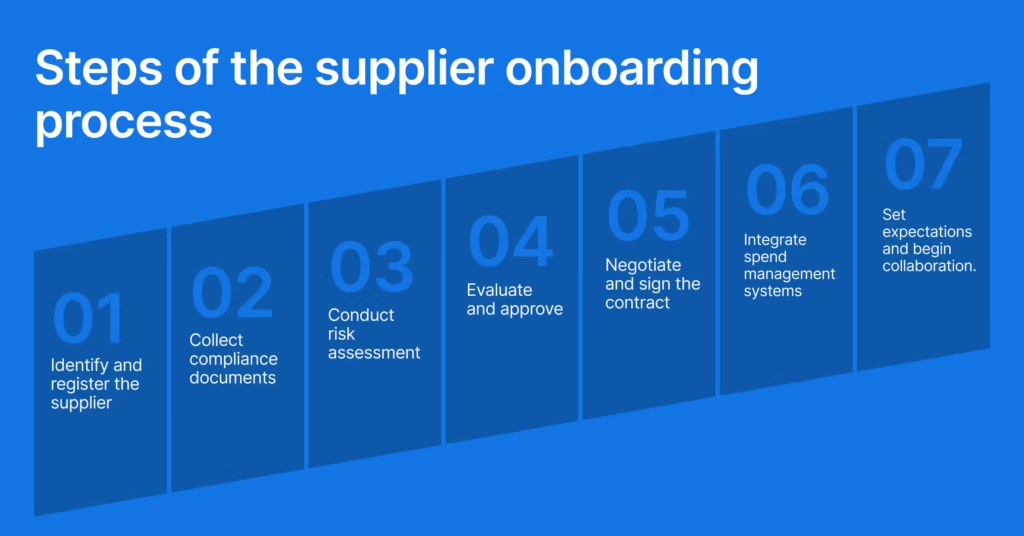
An effective supplier onboarding process consists of some important steps, including identifying the supplier, collecting documents, conducting risk management, signing the contract after evaluation, negotiating, and more. By implementing these procedures, resulting in a compliant, efficient, and well-integrated partnership so that companies can improve and establish robust, compliant supplier partnerships.
Here are the 7 key steps of the supplier onboarding:
1. Identify and register the supplier
Look for vendors through referral/ formal RFP and RFQ processes. Collect all the basic information, including company name, tax ID, and the goods or services they provide. Because this is the initial step, which is often done by the supplier portal, ensure compliance and set the stage for evaluation.
2. Collect compliance documents
Store all the business details with bank account info, licenses, certificates, proof of insurance, as well as signed policies. Run each type of compliance screening, such as sanctions list checks, before approving the vendor to move forward.
3. Conduct risk assessment
Assess geopolitical risks, ethical practices, cybersecurity standards, environmental compliance, and financial and credit risks during the vendor onboarding process. Through this process, supplier evaluation happens, and it covers financial stability, compliance, and operational security before any kind of disruption.
4. Evaluate and approve
Give access to the supplier’s capabilities, including quality control processes, as well as past performance, so that you will know whether the supplier is approved or rejected based on the findings, as this step is the critical risk management step.
5. Negotiate and sign the contract
This is another main step of supplier onboarding that involves agreeing on pricing, payment terms, delivery schedules, quality standards, and performance KPIs before beginning any kind of business.
6. Integrate spend management systems
To integrate spend management, you need to add the supplier to your ERP, accounts payable, and procurement tools. Cause it ensures the supplier is tracked and visible in spend management, as it allows seamless flow of information from initial registration to final activation.
7. Set expectations and begin collaboration.
When the suppliers board, it’s important to track the company’s procurement policies before the work begins, and at the same time, look into payment terms and performance expectations, too. Because this stage transitions the contractual relationship into operational execution.
How to automate supplier onboarding?
Businesses mainly use automation to automate their supplier onboarding process. This reduces the time and effort that is required while improving accuracy and compliance. By implementing these automated techniques, companies may improve the overall efficiency and compliance of their supply chains.
This is how they bring about this change:
1. Utilising agentic AI procurement software solutions:
Companies like Procol integrate advanced onboarding software that replaces outdated manual systems. By facilitating smooth interaction with current ERP or P2P systems, this software speeds up the entire process and enables firms to onboard suppliers in minutes instead of months.
2. Digitise onboarding platforms
Suppliers can quickly enter their data into a vendor onboarding platform offered by the platform. This immediately guarantees data correctness and compliance and removes the need for human data entry.
3. Workflows that can be customised
Companies may ensure that they gather only important information that is unique to each supplier by tailoring onboarding workflows. This expedites the process and fosters a good working relationship with suppliers.
4. Simplifying documentation
Suppliers can upload required papers via a centralised site thanks to automation systems that streamline the documentation process. This helps retain a single version of supplier data for simple tracking and analysis and expedites the process.
5. Automated invoicing and payments
Automating invoicing procedures reduces manual labour and guarantees on-time payments. It also ensures that payments are executed automatically after work is completed, so you can use the invoice generator of Procol for free generation of invoices.
6. Self-service supplier portals
By enabling suppliers to control their data and documentation, self-service portals lessen the administrative burden on purchasing organisations and boost the effectiveness of the onboarding procedure.
7. Integration with business processes
Organisations can automate several phases of the supplier onboarding process by utilising BPM and RPA. These technologies facilitate a faster process through suppliers’ swift and effective integration into company systems.
Challenges in the supplier onboarding process
Supplier onboarding is a critical process in procurement which leads to delays, increased costs, and compliance risks, presenting several vital challenges. It includes 2 to 4 week turnaround times with high error rates upto 10%, and data inaccuracies that lead to compliance risks, where 93% of leaders report negative business impacts due to poor vendor data.
Here are the challenges mentioned below:
1. Inaccurate supplier data
Inaccurate supplier data creates errors and inefficiencies in the onboarding process, where a centralised supplier data management system can reduce the risk of discrepancies at the same time.
2. Lack of visibility and transparency
Onboarding processes that take place in siloed systems prevent any one stakeholder from easily understanding where a specific process stands and prevent employees from properly prioritising their tasks.
3. Manual processes and data entry errors
Reliance on manual processes such as paper-based documentation and manual data entry can delay onboarding and lead to duplicate information or errors. This slows the entire process down and creates problems that are costly to fix later.
4. Regulatory complexity
Navigating global compliance in the time of new ESG legislation can be very critical to manage it manually, so that compliance management software can automatically track and verify supplier compliance with legal and industry standards and alert teams as per the change.
Best practices of effective supplier onboarding
Supplier onboarding maintains effective supplier relationship management strategies through implementing these best practices. Organisations may enhance vendor onboarding procedures, increase supplier relationships, and improve overall business outcomes throughout the procurement process by leveraging the best practices of supplier onboarding.
Check out some of the best practices to ensure a successful supplier onboarding process:
1. Set clear criteria
Mark clear criteria to ensure suppliers are qualified and aligned with the organisational goals. Establishing these helps in streamlining decision-making, mitigating risks, & maintain opeartioanl capacities.
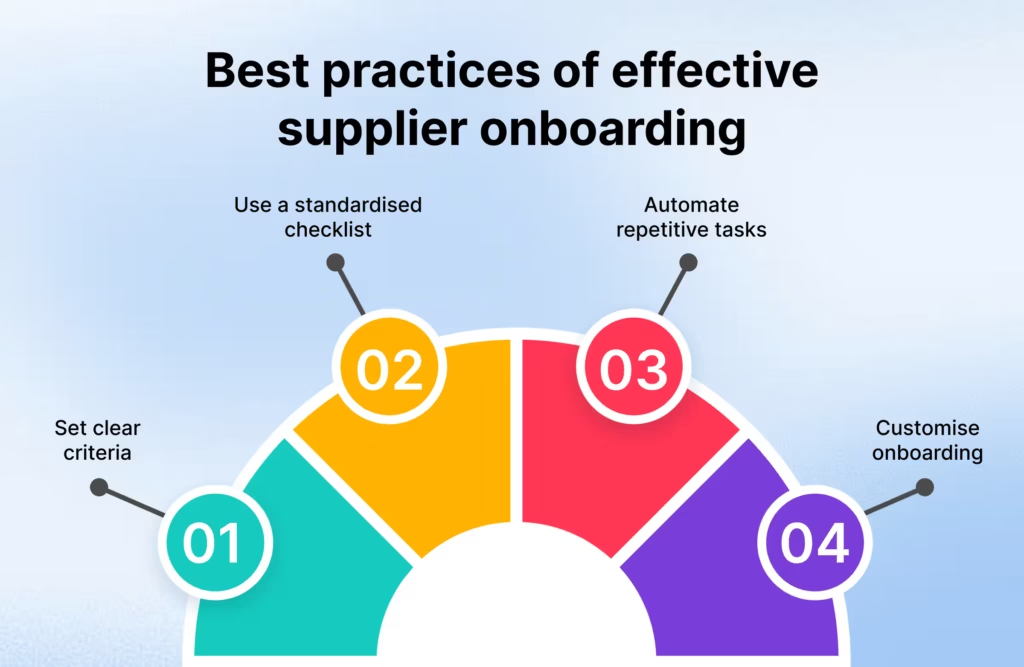
2. Use a standardised checklist
A clear and consistent list of everything you need to collect and verify keeps the supplier onboarding process organised, auditable, and repeatable. Cover tax forms, banking details, tcompliance documents, and signed codes of conduct.
3. Automate repetitive tasks
Automated tasks eliminate manual data entry, which reduces errors and speeds up approval cycles by over 50%. It reduces time, costs, and frees your team to focus on higher-value work.
4. Customise onboarding
Customising onboarding gets the vendor a proper and unified platform of payment setup, while a major supplier might need a longer review involving legal, finance, procurement, and IT teams. Customise the depth of onboarding to the risk, scope, and complexity of the vendor.
Streamline supplier onboarding with Procol
Procol’s procurement solutions transformed the supplier onboarding process, increasing effectiveness, reducing the time for supplier onboarding, and improving efficiency for companies. By implementing automated techniques, companies may improve the overall efficiency and compliance of their supply chains.
Here are the key ways this platform streamlines the supplier onboarding process:
Digital Onboarding and Management allows companies to instantly onboard suppliers with a streamlined process. The automation of key processes includes automated onboarding sheets and supplier creation, and reduces the manual workload.
It has its own customizable workflows for efficient decision-making through streamlined approval workflows. It assists in finding new suppliers through assessing them and effectively handling contracts that foster long-term business benefits and solid supplier relationships. This platform’s efficient reporting and analytics enable all the processes to make well-informed decisions.

Conclusion
A business depends upon its vendor so that they provide quality services on a flexible timeline, ensuring cost-effectiveness. This can be done by maintaining a good relationship with suppliers. So that supplier onboarding processes increase productivity, lower expenses, and enhance supplier relationships. This process involves adding new suppliers to your enterprise, checking their profiles and gathering data, and maintaining communication with them, which is now relatively easier with the help of supplier onboarding software, which makes the two-way supply chain management process efficient and less time-consuming.
Frequently asked questions
How long does the supplier onboarding process take?
The supplier onboarding process typically takes 2 to 4 weeks, depending on the complexity of the supplier, the volume of documentation required, and whether manual or automated systems are in place.
Who owns the supplier onboarding process?
The procurement or supply chain team typically owns the supplier onboarding process, though it often involves collaboration across finance, legal, IT, and compliance departments to ensure all requirements are met.
Can supplier onboarding software be automated?
Yes, supplier onboarding software can be fully automated to handle data collection, document verification, compliance checks, and system integration, significantly reducing manual effort, errors, and onboarding time.
How do you onboard a new vendor?
To onboard a new vendor, companies must collect all the documents, such as tax information, contact details, legal documents, etc. Also, a business must communicate the terms and conditions, provide training, and build a strong relationship to ensure a smooth onboarding process.
How does supplier onboarding support SRM?
Supplier onboarding lays the foundation for Supplier Relationship Management by establishing clear expectations, verified data, and open communication channels that enable stronger, more strategic, and long-term vendor partnerships.
What is included in the supplier onboarding checklist?
A supplier onboarding checklist includes supplier assessment, clear business expectations, a registration portal, strategic partnership processes, and transparent communication systems.
Schedule a Demo
We’d love to hear from you. Please give us a call on +1 315-645-2799.
Explore more from Procol
Discover expert tips, how-to guides, industry insights, and the latest procurement trends.
The complete guide to procurement terms and abbreviations (2026)
As an e-procurement professional, you must have in-depth knowledge of the...

eSourcing Tools: Benefits, Features & How They Work
Discover top 10 e-sourcing tools and esourcing platforms necessary for efficient...

Guide to reverse auction: Process, types & benefits (2026)
Reverse auctions are a modern and proven way to manage procurement...