



Procurement software that makes complex procurement effortless
Bring your entire procurement lifecycle out of spreadsheets, emails, and disconnected tools onto one connected procurement platform.
Procurement management system trusted by 200+ global enterprises


























E-procurement system recognized by industry giants
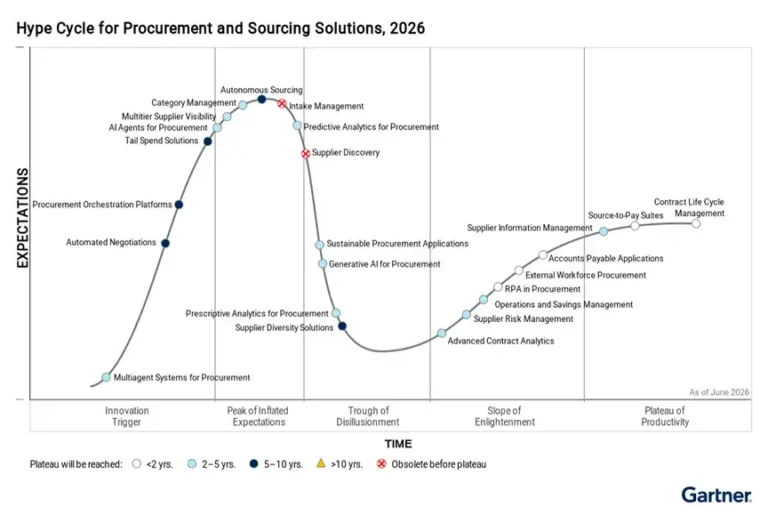
Featured in Gartner's Hype Cycle for Multiagent Systems
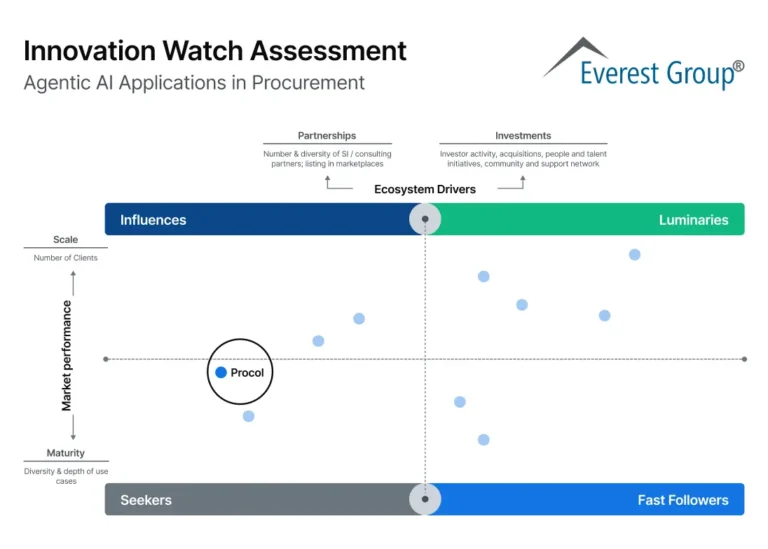
Positioned in Everest Group's PEAK Matrix as the agentic AI procurement platform
Top-rated platform for AI in procurement
Procol is shaping the post-S2P era with Agentic AI

The headless agentic threat: Procol AI
Numbers that speak for themselves
$30B+
Spend managed
$1B+
Savings generated
200+
Customers

Procurement software for every stage of your workflow
Accelerate your digital transformation journey with our procurement system to minimize spend and maximize savings
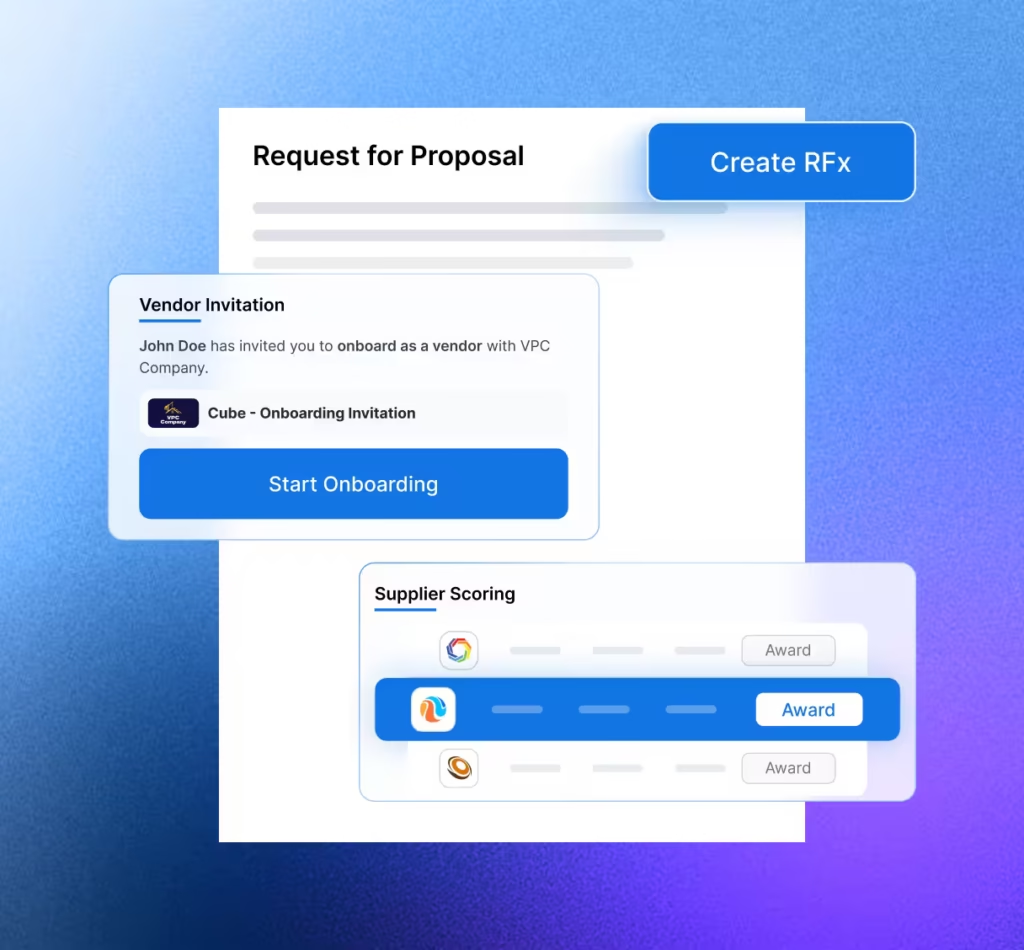
Unified platform for modern procurement teams
Our procurement platform connects intake, sourcing, purchasing, and payments in one system.
- Guided buying process
- Multi-stage RFQ, RFP, and automated BOQ generation
- Autonomous execution from intake to payments
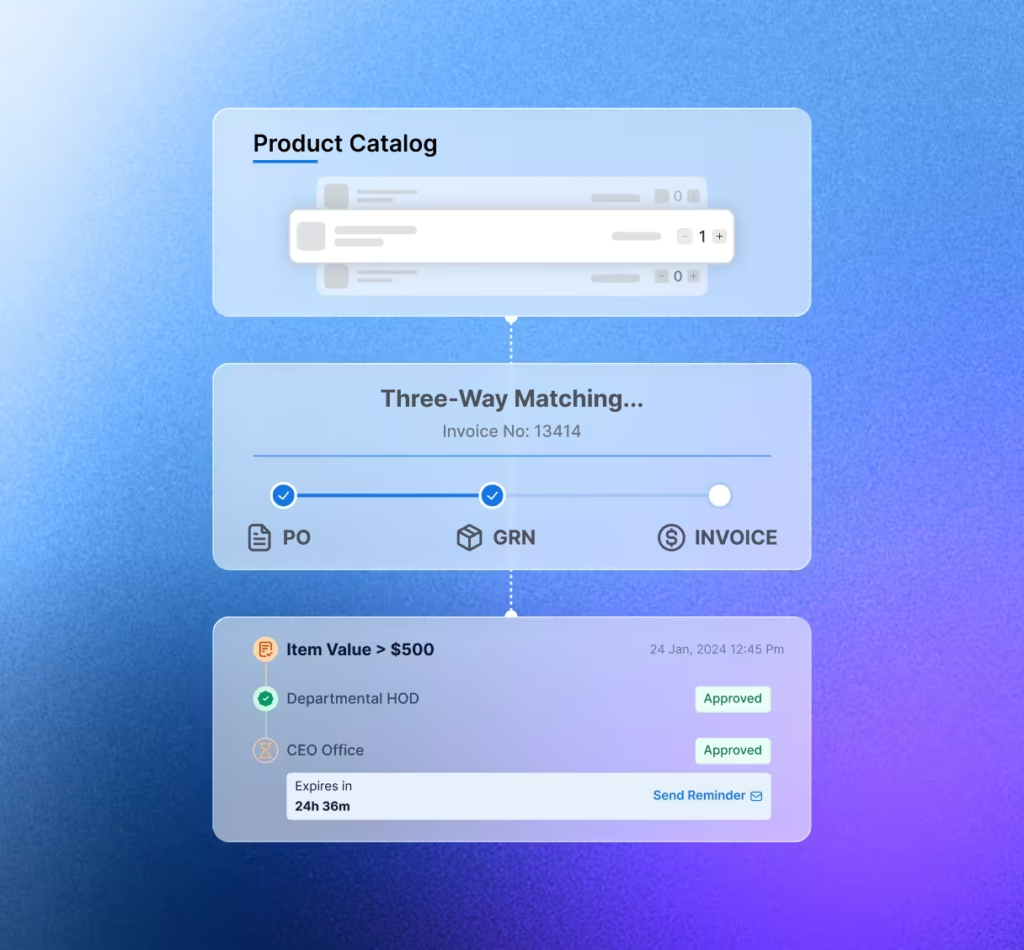
Centralize your purchasing with smart spend control
Procurement management software built to give finance and procurement one system of record for every purchase.
- Single-entry point for all purchase requests
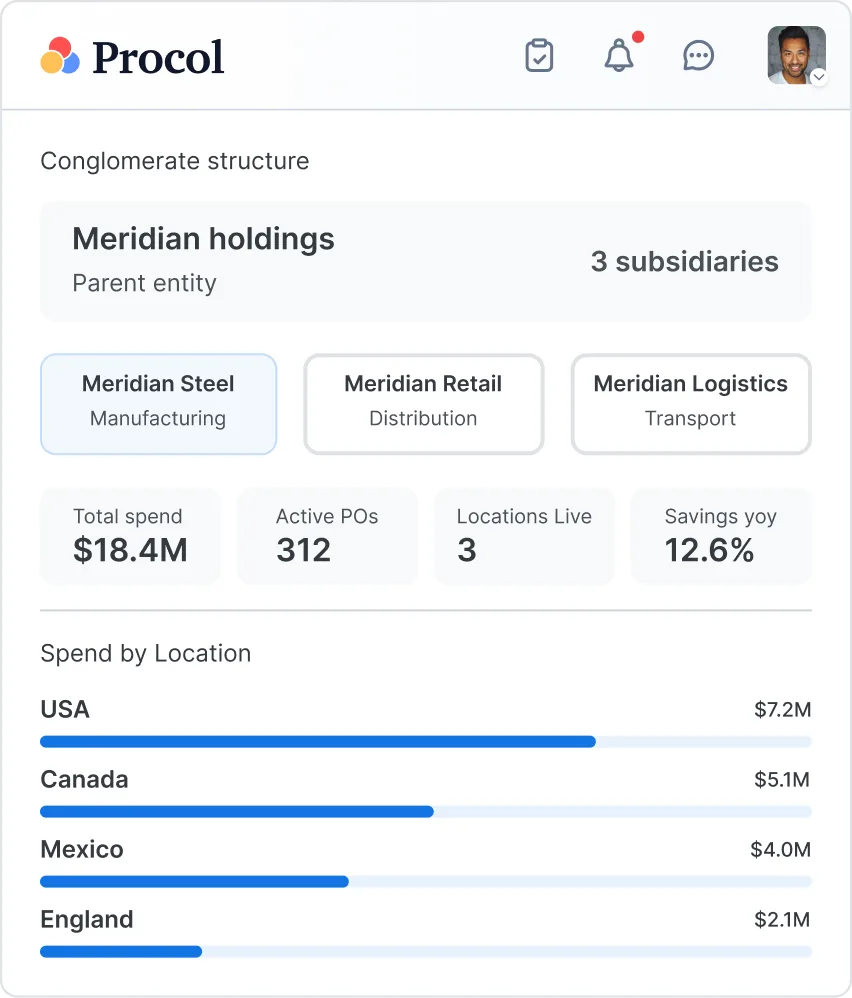
- Consolidate procurement data across teams, locations, and suppliers
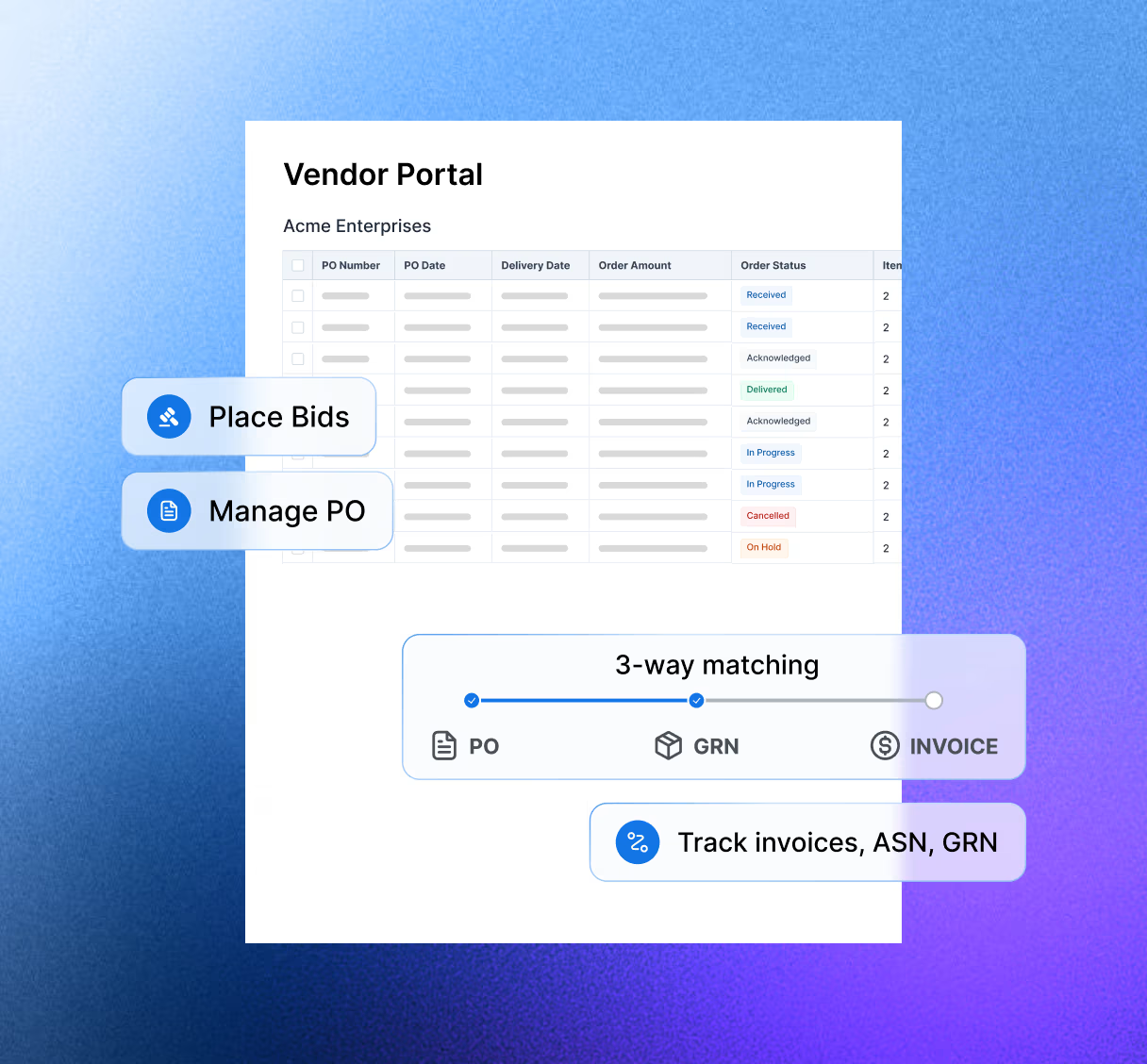
- AP automation with auto three-way matching
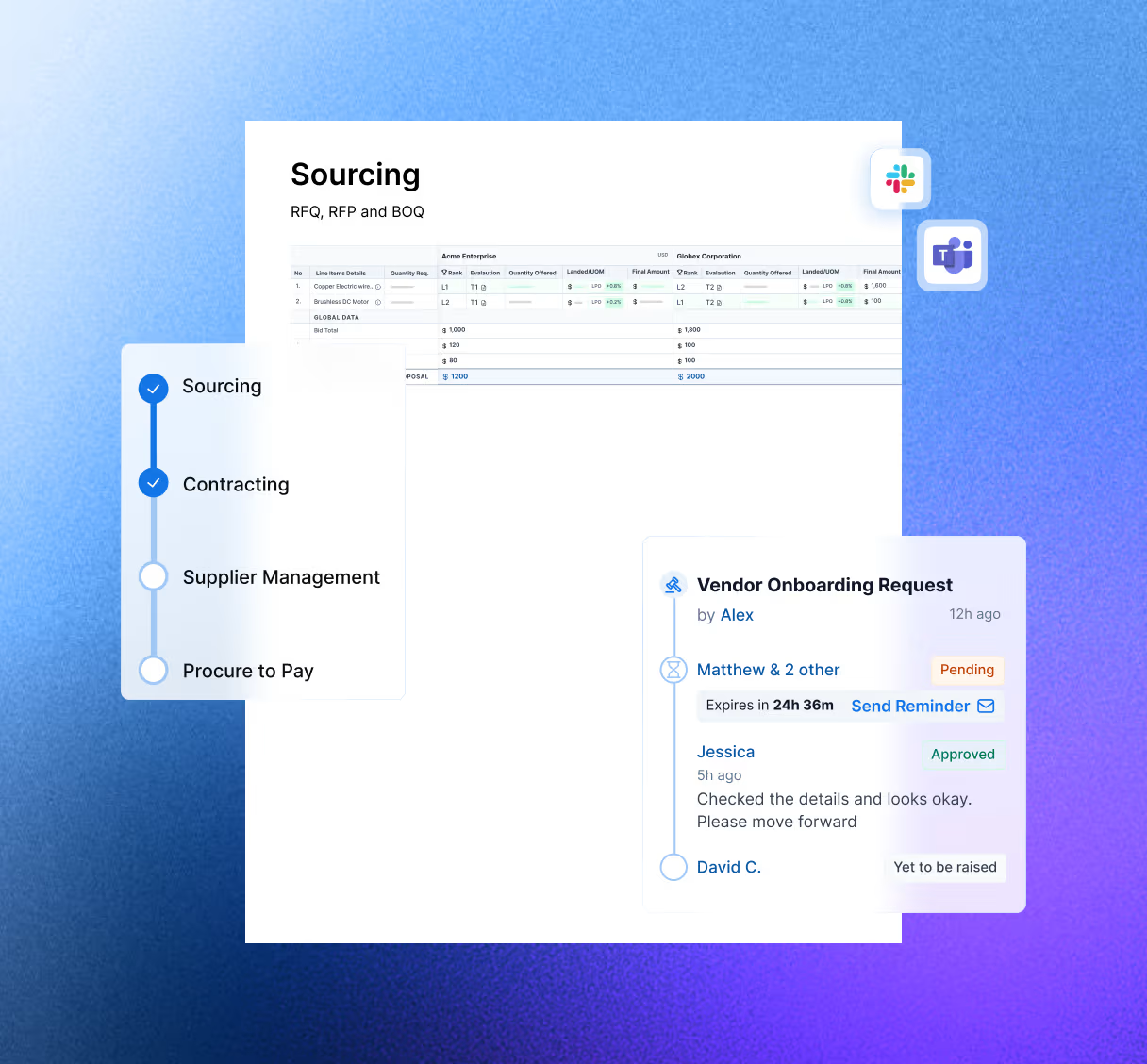
Streamline procurement with intelligent strategic sourcing
Procurement platform that turns sourcing from a bottleneck into a savings engine.
- Autonomous sourcing with smart counter offers
- Analyze price trends for better forecasting
- Multi-level BOQ, with bulk import, custom attributes, and vendor revisions
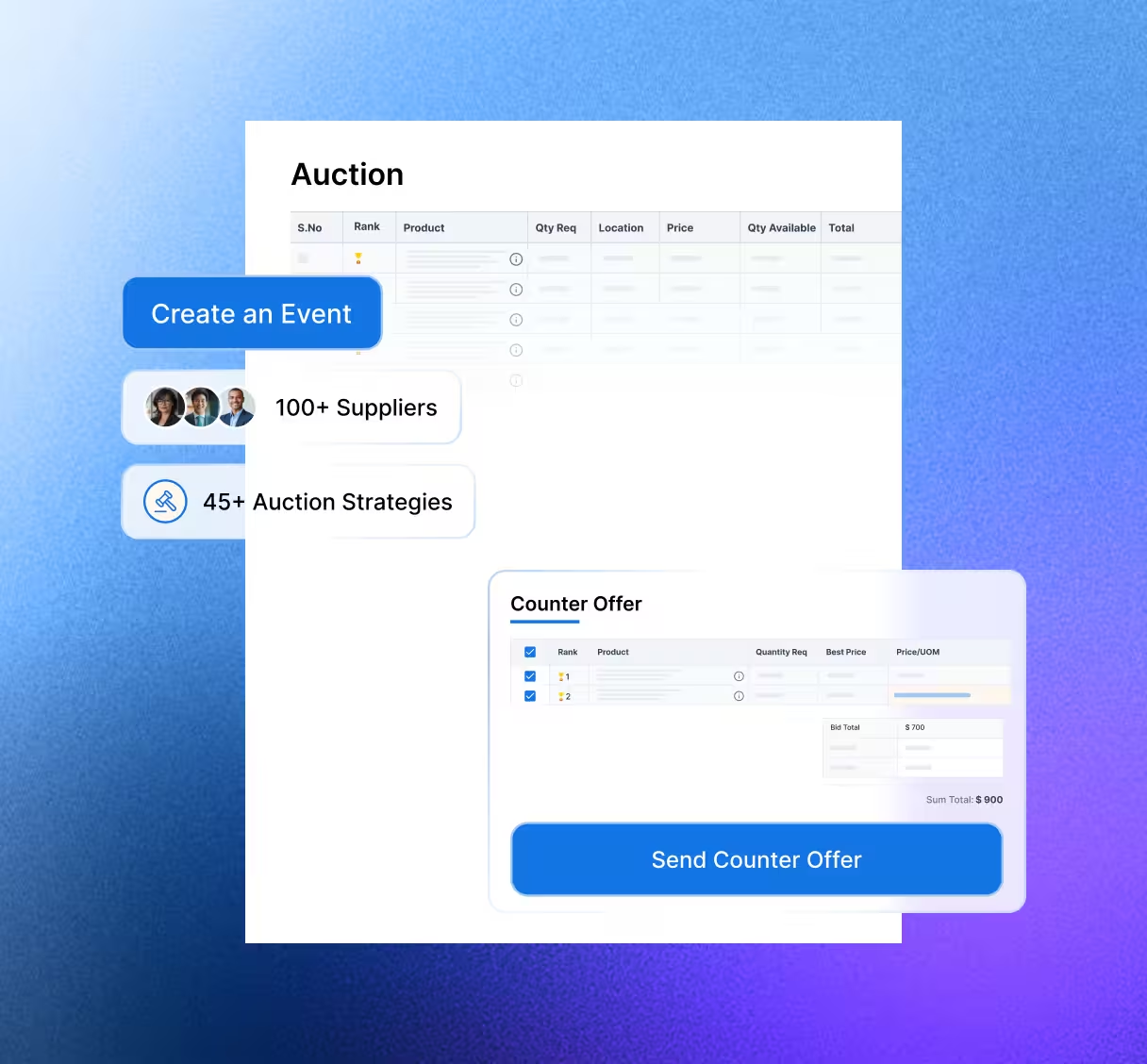
Digital reverse and forward auctions for better savings
The e-procurement platform for real-time competitive bidding.
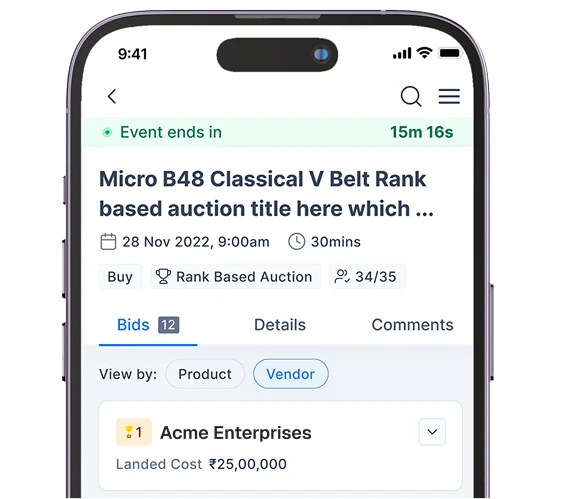
- Run instant online bidding events in minutes
- Send bulk counter offers to all suppliers
- Auto-generate quote comparison sheets (QCS)
Simplify vendor management with complete control and visibility
The vendor management system built into your procurement platform, not bolted on.
- Self-service digital vendor onboarding and due diligence
- Track and monitor vendor performance in real-time
- Predictive supplier risk and performance management
Trusted by procurement leaders worldwide.
See how leading enterprises use Procol to modernize procurement, simplify operations, and unlock greater value from every purchase.
Explore More













See what better procurement looks like in practice
Detailed case studies on how enterprises use Procol to solve complex procurement challenges and deliver measurable results.
Enterprise e procurement platform built for the people who use it every day.
Intuitive capabilities that make procurement a breeze.
Quick and easy implementation
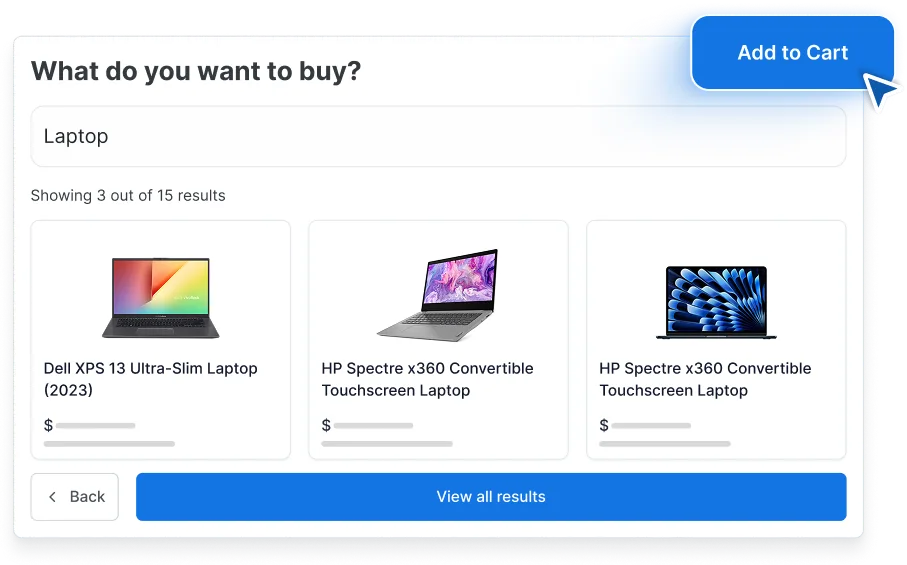
Modern user interface
AI agents
Highly configurable
Integrations
One Procurement Tool:Zero Data Silos. Complete Control.
Procol’s e-procurement system ensures smooth data flow between procurement, finance, and business teams for complete spend visibility and control.



Procurement management system with infrastructure your CISO and CIO require
SOC 2 Type II certified, ISO 27001 aligned, GDPR compliant, and backed by cyber security insurance.


Frequently asked questions about procurement software
Expert-backed answers to help you make informed decisions related to procurement.
What is procurement software?
Procurement software is business software that automates procurement, the process of sourcing, purchasing, and managing goods and services from external suppliers. It covers need assessment, supplier selection, contracting, and lifecycle management, giving teams better cost control, compliance, and visibility without the manual work.
How does procurement software work?
Procurement software acts as your online, centralized, end-to-end procurement system, automating every step from initial request to final payment. It improves team efficiency, reduces cost, and keeps the process fully compliant.
Here’s how procurement management software works:
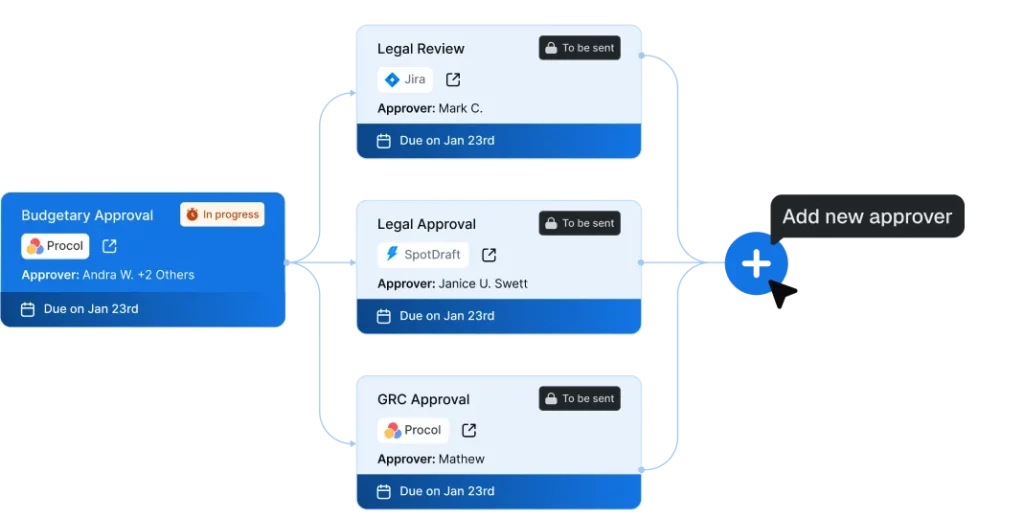
- Request initiation and approval — users submit requests online, which route automatically to the right approver based on preset levels.
- Strategic sourcing — once approved, the platform helps teams find the right supplier by automating RFQs or RFPs to multiple vendors, running competitive bidding, comparing bids, and converting purchase requests into purchase orders.
- Contract management — the procurement platform stores vendor information, contract terms, and compliance documentation in one place, making supplier relationships easier to manage and risk easier to control.
- Invoice processing and matching — procurement software runs three-way matching, comparing the PO, receiving report, and invoice for accuracy.
- Payment and delivery — goods and services arrive on schedule, without disrupting production.
With centralized data across every step, the software delivers spend analytics that surface cost-saving opportunities and help avoid inventory shortages.
What software is used in procurement?
Procol is used as e-procurement software by enterprises worldwide for measurable outcomes: 5–10% negotiation cost savings, 50% faster sourcing cycles, and a 100% compliant procurement process.¹ It’s an all-in-one AI procurement software platform with complete source-to-pay functionality, full visibility, faster approvals, proactive fraud detection, and better spend management.
What are the 4 different types of procurement?
Procurement covers a broad process, but it breaks down into four main types:
- Direct procurement — sourcing goods and services that go directly into the final product a company sells.
- Indirect procurement — sourcing goods and services a business needs to operate, but that don’t go into the final product.
- Goods procurement — acquiring physical, tangible items.
- Services procurement — sourcing services provided by other individuals or businesses, needed for operations or expansion.
What is procurement software as a service?
Procurement software as a service is a cloud-based procurement technology or subscription model that outsources a portion to a company that provides access to procurement services and software as per demand.
What are the features of an effective AI-powered procurement software?
Procurement management software should give enterprises real capability, not automation for its own sake. Look for:
- Autonomous sourcing — assesses market conditions in real time, negotiates with suppliers within set parameters, and learns from historical data to improve future buying decisions.
- Guided intake — smart demand capture that simplifies the procurement intake process and gives end users real-time visibility into their requests.
- Spend analytics — reduces maverick spend and turns complex spend data into insight leadership can act on in real time.
- AI-powered accounts payable — automates invoice processing, extracts invoice data across formats, manages payments, and tracks expenses.
- Vendor discovery — automatically searches, filters, and evaluates potential suppliers against your requirements.
Why are automated procurement software systems popular?
Automated procurement systems are popular because they replace messy, scattered, manual processes with fast, easy-to-use, no-code workflows, cutting cost and keeping the entire procurement process compliant.
What does procurement software do?
Procurement software turns every step of buying, from the first request to final payment, into one connected digital flow, so teams move faster while keeping a clear, hands-on view of every transaction. As a procurement tool, it typically covers:
- Creating and submitting purchase requests through guided workflows, routing them for multi-level approval, and converting approved requests into purchase orders.
- Finding and choosing vendors from a large supplier pool, running RFQs or eAuctions, and comparing quotes side by side to negotiate better terms.
- Managing contracts in one place, tracking order receipt, and running three-way invoice matching so payments go out accurately and on time.
- Giving a live view of every dollar spent, turning spend data into action, enforcing policy, and surfacing savings opportunities.
How much time is required to implement the Procol AI procurement software?
It takes 2–3 weeks to implement Procol, an AI-native procurement software platform, with a guided onboarding process.
What are the top benefits of Procol AI procurement software?
The benefits of Procol’s procurement system include:
- Easy to use, even for non-technical teams
- Lower costs through better spend management
- A fully compliant, transparent process
- Better strategic decision-making
- A fully automated source to pay cycle
- Streamlined workflows
How to use the procurement software effectively?
Five ways to get the most out of your procurement solution:
- End-to-end process automation — automate the full range of processes, including purchase request approval, purchase order creation, vendor onboarding, and invoice processing.
- Process standardization to eliminate operational bottlenecks — set clear approval hierarchies, purchase policies, and catalogs so every request follows a defined, compliant, audit-ready path.
- Integration with ERP or accounting systems — real-time data sync across finance and inventory removes duplicates, improves accuracy, and gives a complete view of company spend.
- Visibility of spend — live dashboards show spend by category, vendor, and department, so unauthorized buying gets caught early.
- Use spend data to make smarter decisions — live spend data, easily available in the procurement tool, helps predict demand, negotiate better with vendors, optimize budgets, and build sourcing strategy instead of just processing transactions.
What are the key metrics to track in a procurement software?
Key metrics to track in procurement software include:
- Cost savings
- PR to PO cycle time
- Spend under management
- Contract compliance rate
- Supplier participation rate
- Invoice processing time
- Maverick spend